
How to build a night routine that works while you are asleep
Four steps, in one order, plus the bedroom changes that matter more than most products. A night routine for dry and sensitive skin, without twelve steps.

Night is when your skin loses the most water and does the most repair, which we went through in what actually happens while you sleep. This is the practical follow-up: what to do about it, in order, without ending up with an eleven step routine you abandon by Thursday.
Four steps. Everything else is optional.
Step one: cleanse gently, once
At night, once. Not twice, unless you have worn heavy makeup or sunscreen you need to remove, in which case an oil or balm cleanser first and a gentle wash after is reasonable.
The test for a cleanser is how your skin feels five minutes later. If it feels tight, squeaky or in urgent need of something, it is too strong, no matter what it cost. You have just removed the surface lipids immediately before the hours when water loss is highest.
Lukewarm water. Not hot. Hot water strips more lipid than any cleanser does.
Step two: hydrate onto damp skin
Within a minute of washing, while the surface is still visibly damp. This is the step people get wrong most often, and it is free to get right.
A humectant, glycerin or hyaluronic acid based, applied to a damp face has water available to draw on. Applied to a dry face in a heated bedroom it has nothing to work with and can pull moisture from deeper in your skin instead.
If your skin is dry rather than dehydrated, this step can be as simple as not drying your face completely before the next one. The distinction between the two is set out in does drinking more water help dry skin.
Step three: soften with oil
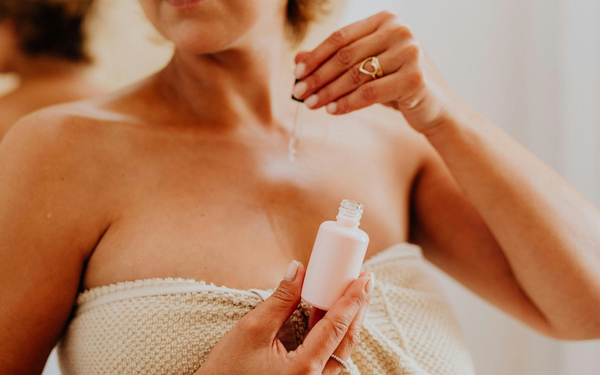
This is where lipids go in. A few drops of face oil, pressed rather than rubbed, over the still-damp hydrating layer.
Seed Glow Face Oil is what we make for this step: sixteen cold-pressed botanical oils, no water, no preservative, no fragrance. Three to four drops is the dose, warmed between the palms and pressed into the face and neck. It contains macadamia and sweet almond oil, so it is not suitable with a tree-nut allergy.
If you use actives, they go before this step, on clean dry skin, and one at a time. Retinoids at night, spaced out while your skin learns to tolerate them. If everything is currently stinging, pause them entirely and read sensitive or sensitised before adding anything back.
Step four: seal
Last. Over everything.
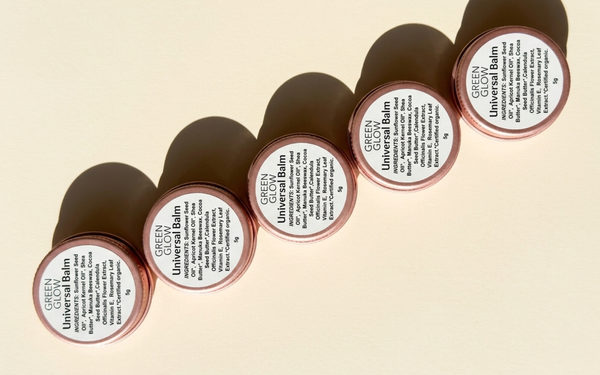
An occlusive layer slows the water loss that peaks overnight, and this is the step that makes the difference between waking up comfortable and waking up tight. Universal Balm is built for it: waterless, eight ingredients, Manuka beeswax and cocoa seed butter forming the seal, organic shea, sunflower and apricot kernel oils softening underneath. It contains beeswax, so it is not vegan.
Technique matters more than quantity. Warm a small amount between your fingertips first, until it turns from solid to slippery, then press it over the areas that need it. Warmed, it spreads far thinner than it does scooped on cold, and a jar lasts months. On a bad night, a thicker layer over the whole face is slugging, and it works.
If your skin is oily in places, seal only where you need it. Around the eyes, the cheeks, the sides of the nose. Nobody says you have to do the whole face.
Steps three and four are sold together as The Ritual Duo, which is only to say they were designed to be used in that order.
The order, in one line
Cleanse → hydrate on damp skin → oil → seal. Thinnest to thickest, water before oil, occlusive last. It only goes one way, because nothing gets through an occlusive once it is on, which is the entire point of an occlusive. The mechanism is in occlusive, emollient, humectant.
The bedroom matters more than step five would
If you are going to add anything beyond four steps, add these instead of another product.
- Turn the heating down, or off. Heated air is dry air, and dry air pulls water out of you for eight hours.
- Add humidity. A humidifier is the direct version. A bowl of water near the heater, or drying laundry in the room, does a surprising amount.
- Silk or satin pillowcase. Less friction, fewer sleep creases, better for hair. Modest, real.
- Wash pillowcases weekly. More often if you use heavy products at night.
- Hands and cuticles last. Balm on your hands after everything else, right before the light goes off, so you are not touching things afterwards. That routine is set out in how to fix cracked hands and split cuticles.
What this will not do
Four steps will not repair a barrier that is being stripped every morning. If your daytime routine includes a foaming cleanser, an exfoliant and a hot shower, the night routine is patching a hole you reopen at breakfast.
It also will not treat a skin condition. Eczema, dermatitis, rosacea and persistent inflammation need a GP or dermatologist, and skin that is cracked, weeping or worsening should not be managed with a shopping decision.
And no night routine replaces sleep or sunscreen. Those two do more for how your skin looks in ten years than everything above combined.
Common questions
Do I need a separate night cream?
No. You need something that seals. Whether that is a cream, a balm or an oil plus a balm depends on how dry you are.
Can I skip the morning routine then?
Mostly. Water, sunscreen and something light is enough for most people. Overwashing in the morning undoes the night's work.
How long before I see a difference?
Comfort changes overnight. Visible texture takes two to four weeks, because that is roughly how long skin takes to turn over.
Is four steps really enough?
For dry and sensitive skin, four well-chosen steps beat eleven, every time. Fewer products means fewer variables when something goes wrong.
Continue reading
- What actually happens to your skin while you sleep
- Occlusive, emollient, humectant: which one your dry skin actually needs
- Balm, oil or moisturiser: what to use, and when
Built on the ideas in this post.
Ingredient transparency, handmade in Melbourne. The same care that goes into how we write goes into how we formulate.
Shop Universal Balm →
Kapha season
Waterless, and what that choice costs
Abhyanga: what oiling your own skin actually does
Join the community
Slow beauty, in your inbox
Ritual guides, ingredient stories and 15% off your first order, for those who believe the best skincare comes from nature.
We respect your privacy. Unsubscribe at any time.

Let nature show its magic to you. Naturally derived skincare rooted in Ayurveda, handmade in small batches in Melbourne for sensitive, dry and ageing skin.