
Balm, oil or moisturiser: what to use, and when
The honest difference between a balm, a face oil and a moisturiser, which your skin actually needs, and whether you need more than one.

We already have a piece on face oil versus moisturiser. This one adds the third thing, because a balm is not simply a thicker moisturiser and the difference is worth understanding before you buy another jar of something.
The one line version
A moisturiser adds water and a little oil. A face oil adds lipids. A balm seals what is already there.
They sit at different points in the routine and they solve different complaints. Most people who feel like their skincare has stopped working are using two products that do the same job and none that does the third.
What each one actually is
A moisturiser is an emulsion, meaning water and oil held together with an emulsifier. It is usually somewhere between 60 and 80 percent water. That water evaporates within about twenty minutes of application, leaving behind the oils, humectants and actives that were carried in it. It is a delivery system as much as a treatment, and a good one, because it hydrates and softens in a single light step.
A face oil is lipids, with no water at all. It does not hydrate in the sense of adding water, and this is the most persistent misunderstanding in skincare. What it does is replace the fatty acids in the surface of the skin, which smooths the texture, softens the feel, and slows water loss a little. Applied to damp skin, it holds that dampness in place.
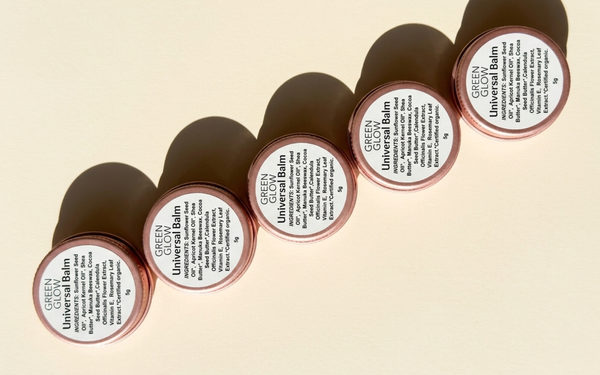
A balm is oils and butters held solid with a wax, again with no water. The wax is the point. It gives the balm a much higher occlusive value than an oil, so it forms a real barrier on the surface rather than sinking in. It is the only one of the three that meaningfully seals.
Which one you are missing
Everything absorbs and I am tight again within the hour.
You need a balm. Water is going in and evaporating straight back out. No amount of extra moisturiser fixes this, because the moisturiser is part of what is evaporating.
My skin is rough, dull and looks tired, but it is not tight.
You need an oil. This is a lipid shortage on the surface, and oil fills it directly.
My skin is oily and flaky at the same time.
You need a moisturiser, or a hydrating serum, and probably not much oil. Oily and dehydrated is a real combination and the answer is water, not more lipids.
Everything stings.
Strip back to a gentle cleanser, one hydrating step, and a balm on top. Pause the actives. Rebuild from there.
Do you need all three?
No, and we would rather say so.
Plenty of people do very well with a moisturiser in the morning and a balm at night, and no oil at all. Plenty of others use an oil and a balm and skip moisturiser entirely, which works because the oil covers the softening job and the balm covers the sealing job.
What you should not do is use two products that both only soften and then wonder why nothing holds. That is the most common routine problem we see, and it is why people end up with a shelf of half used bottles.
The one combination that genuinely earns its place is oil then balm at night in winter. The oil brings lipids to the surface, the balm holds them there for eight hours, and you wake up with skin that has actually had time to recover. That is why we put Seed Glow Face Oil and the Universal Balm together as The Ritual Duo. Two steps, thirty seconds, and it is the single most effective thing you can do for dry skin overnight.
Worth knowing before you buy: Seed Glow contains macadamia and sweet almond, which are tree nuts. The balm on its own does not contain nuts, and it does contain beeswax, so it is not vegan.
The order, and why it does not flex
- Cleanse. Leave skin slightly damp.
- Hydrate. Serum or essence, if you use one.
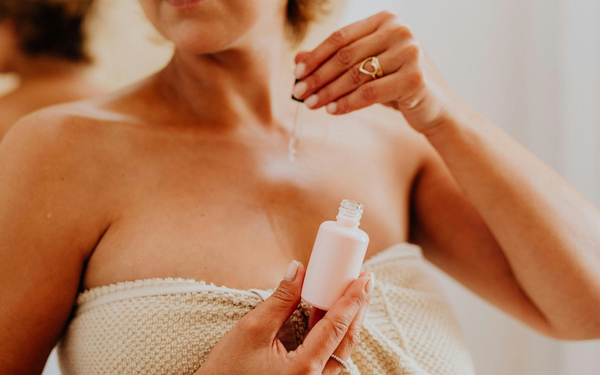
- Oil. Three or four drops, pressed in.
- Balm. Last, over everything.
Thinnest to thickest, water before oil, seal on top. You cannot get a serum through a balm, which is the whole reason the balm goes last. If you have ever applied a rich cream and then wondered why your expensive serum stopped doing anything, this is why.
In the morning, most people want steps one and two only, plus sunscreen. A balm under sunscreen and makeup is usually more than you want, with the exception of a thin layer on the lips and any exposed patch before going out into wind.
A note on cost per use
A waterless product looks more expensive per gram than a moisturiser and is usually cheaper per use, because you are not paying for water and you use a fraction of the amount. A 15g tin of balm used two or three nights a week lasts most people several months. It is worth doing that arithmetic before comparing tube sizes, because it changes the answer.
Common questions
Can a balm replace my moisturiser?
For dry skin in winter, often yes. For oily or dehydrated skin, no, because a balm does not bring water and that is what you are short of.
Can I use a face oil and a balm together?
Yes, and it is the best use of both. Oil first, balm second.
Is a balm too heavy for my face?
Not if you use a small amount and warm it first. Most people who find balms heavy are applying roughly four times what they need, cold, straight from the jar.
What about during the day?
Hydrating steps and sunscreen. Save the balm for overnight, lips, and wind protection.
Continue reading
- Slugging, without the petroleum jelly
- Occlusive, emollient, humectant: which one your dry skin actually needs
- Why skin cracks in winter, and what actually stops it
Built on the ideas in this post.
Ingredient transparency, handmade in Melbourne. The same care that goes into how we write goes into how we formulate.
Shop Universal Balm →
Kapha season
Waterless, and what that choice costs
Abhyanga: what oiling your own skin actually does
Join the community
Slow beauty, in your inbox
Ritual guides, ingredient stories and 15% off your first order, for those who believe the best skincare comes from nature.
We respect your privacy. Unsubscribe at any time.

Let nature show its magic to you. Naturally derived skincare rooted in Ayurveda, handmade in small batches in Melbourne for sensitive, dry and ageing skin.