
Why face oil all year round
The same bottle in January and in July. What changes with the season is not the oil, it is how many drops, and why.

I use the same face oil in January that I use in July. The bottle does not change with the season. The number of drops does.
This is the question I get most often once the weather turns. Should I stop using oil now that it is warming up? The short answer is no. The longer answer is more interesting, because the reason people ask has very little to do with skin.
Where "oil is a winter product" came from
A seasonal calendar is useful to a brand. It gives you a reason to launch a rich cream in April and a light gel in October, and a reason for the same customer to buy twice. Skin does not run on a retail calendar.
There is a second reason, and it is fairer. For a long time, the rich end of the shelf really was heavy. Thick emulsions, mineral oil, a film you could feel for an hour. If that is what "oil" means to you, avoiding it in warm weather is a sensible instinct. A cold-pressed seed oil is simply not the same material, and I wrote about why the pressing method matters in why cold-press matters.
What actually changes when the season turns
Not the temperature. The humidity.
Your skin loses water to the air all day, every day. The rate is not fixed. It rises when the air around you is dry, and dry air is not only a winter problem. Indoor heating in July and air conditioning in January both strip moisture out of a room, and a Melbourne spring swings between the two inside a single week.
So the useful question is never "is it warm or cold". It is "how fast is water leaving my skin today". In September that answer changes on a Tuesday and changes back on a Thursday.
Ayurveda arrives at the same instability from a completely different direction, and calls this stretch of the year kapha season. I went through what that means for skin in kapha season.
An oil does not hydrate. It holds.
This is the part worth getting right, because almost every face oil on the market is sold on the wrong verb.
Water hydrates skin. Oil cannot, because there is no water in it. A well-built oil sits in the top layer of the skin, softens it, and slows how fast the water already there evaporates away.
That is the whole reason the application method matters. Press an oil into skin that is still slightly damp from cleansing or a mist and you are holding water in. Press it into bone-dry skin at the end of a dry day and you are mostly holding nothing.
If the categories are new to you, occlusive, emollient and humectant is the short version of which one your skin is actually short of.
What I change between seasons
Not much, and none of it is the bottle.
In the cold months I use four or five drops of Seed Glow at night, and on the worst nights I press a little Universal Balm over the top of it on the dry patches. In spring and summer it drops to two or three drops on damp skin and nothing on top.
That is the entire seasonal adjustment. Same formula, less of it, applied to wetter skin. How to use a face oil covers the method properly, and balm, oil or moisturiser covers when the balm is worth adding at all.
Why the formula is built to work in both
Seed Glow is sixteen ingredients, and they are not sixteen versions of the same thing. The spread is the point.
Camellia, prickly pear, rosehip and pumpkin seed sit at the light end and are high in linoleic acid, one of the fatty acids the skin's own barrier lipids are partly built from. Olive squalane and jojoba are the closest things in the bottle to what skin already makes for itself, squalene and wax esters. Avocado, macadamia and marula are the richer, more cushioning end, which is what carries the formula through a cold snap. Papaya and pomegranate seed sit between the two ends, and pomegranate is unusual for its punicic acid, which you will not find in many other seed oils.
Then there is the antioxidant end. Saffron flower extract, CoQ10, vitamin E and rosemary leaf extract. Those last two do a second, quieter job: they help keep the oils themselves from turning, which matters a great deal in a waterless formula. I explained that in when skincare actually goes off.
A summer formula and a winter formula would each have to give something up. One blend with that range does not, which is why I have never made a second one. There is more on the full sixteen in the ingredients behind Seed Glow.
Common questions
Will a face oil break me out in warm weather?
It might, and I am not going to promise you it will not. What I will say is that the comedogenic ratings floating around online are not the authority they appear to be. Most trace back to mid-century testing on rabbit ears, at concentrations nobody uses on a face. Your own skin is better evidence than the chart. Patch test properly and give it two weeks.
Do I need a lighter oil for summer?
In my experience, no. You need less oil, on damper skin, and usually at night only. Buying a second bottle solves a problem most people do not have.
My skin has got more reactive as the weather changed. Is that normal?
It is common, and it usually is not the season on its own. It is more often whatever the season prompted you to change. Sensitised skin is not the same as sensitive skin, and it can settle again.
Would drinking more water help instead?
Less than you would hope. I went through the evidence here.
Is there any fragrance in it for the warmer months?
None, ever, in anything for the face or scalp. That is a formulation rule, not a season.
Continue reading
- Kapha season, and what it means for spring skin
- Occlusive, emollient, humectant: which one your dry skin actually needs
- Why cold-press matters
Built on the ideas in this post.
Ingredient transparency, handmade in Melbourne. The same care that goes into how we write goes into how we formulate.
Shop Seed Glow Face Oil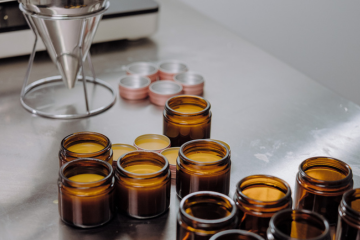
Why I formulate our products
Is Natural better than Synthetic ingredients
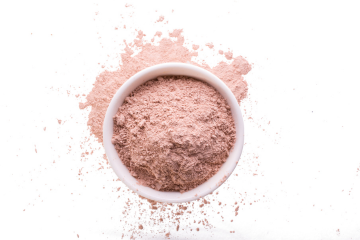
Ubtan, the original cleanser.
Join the community
Slow beauty, in your inbox
Ritual guides, ingredient stories and 15% off your first order, for those who believe the best skincare comes from nature.
We respect your privacy. Unsubscribe at any time.

Let nature show its magic to you. Naturally derived skincare rooted in Ayurveda, handmade in small batches in Melbourne for sensitive, dry and ageing skin.