
What "small batch" and "handmade" actually mean
Small batch is not a regulated term and does not automatically mean better. What it genuinely gets you, what it costs, and how we make ours in Melbourne.

We describe our products as handmade in small batches, so this is a post arguing partly against our own marketing. "Small batch" is not a defined term. It does not mean tested, does not mean safer, and does not automatically mean better. It does mean some specific, real things, and those are worth separating from the romance.
What it genuinely gets you
Freshness, which matters most for oils. A small batch is made closer to when you use it. For cold-pressed oils, which begin oxidising from the moment they are pressed, the gap between manufacture and your bathroom shelf is a real quality variable. This is the strongest argument for small batch and it is a narrow one: it applies to oils and butters far more than to, say, a cleanser.
Formula changes are possible. A large production run locks a formula in for a year or more. A small maker can adjust, and more importantly can stop making something that is not working.
Traceability. Fewer suppliers, shorter chains, and someone who can actually tell you where the shea came from. That is the whole basis of what we can and cannot verify about our sourcing.
Accountability. When two people make everything, a complaint reaches the person who made it. That is not a quality control system, but it is not nothing either.
What it does not get you
This is the part most small brands skip.
It does not mean safer. Large manufacturers have laboratories, microbiology testing, controlled environments and quality systems that a home or studio operation cannot match. A big factory making a preserved cream under proper controls is doing something genuinely harder and more rigorous than a small maker producing a simple anhydrous balm.
It does not mean more effective. Effectiveness comes from the formula, not the batch size. Some of the best-evidenced products in skincare are made at enormous scale.
It does not mean better value. Small batch is more expensive per unit, and you are usually paying for it. Sometimes that buys freshness and quality. Sometimes it just buys smallness.
"Handmade" describes labour, not standards. It tells you a person did it rather than a machine. It says nothing about what that person knows.
Batch variation is the trade-off. Unrefined materials vary by harvest. Two jars can differ slightly in colour or scent. We think that is a fair price for keeping the material intact, but it is a trade-off, not a free win.
How ours are made
Both formulas are made by us in Melbourne, in micro-batches, by hand.
Both are waterless, which shapes everything about the process. There is no water phase, so there is no emulsion to stabilise and nothing for microbes to live in, which is why there is no preservative in either. That is a consequence of the format rather than an achievement, as we said in the ingredient decoder. It also means the discipline is different from a water-based operation: the thing to guard against is water getting in, not microbial growth in the formula.
Seed Glow Face Oil took two years and fifteen trial formulations before we sold a single bottle. Sixteen cold-pressed oils, blended and decanted in small runs, with a six-month period-after-opening precisely because oils that have kept their nutrient content are the ones most reactive to oxygen. It contains macadamia and sweet almond oil, so it is not suitable with a tree-nut allergy.
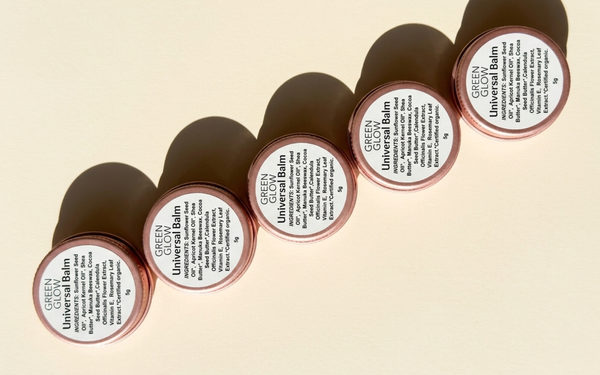
Universal Balm is eight ingredients: unrefined organic shea and cocoa seed butter, unrefined organic sunflower and apricot kernel oil, Manuka beeswax, calendula, vitamin E and rosemary extract. Melted, blended and poured in micro-batches. The beeswax is animal-derived, so the balm is not vegan.
Small enough that if something is wrong with a jar, it came from us and we will know which run it was.
The honest summary
Small batch is a description of scale. It carries real advantages for the kind of products we make, particularly freshness in oils and traceability of materials, and it carries real disadvantages that a larger operation would not have.
If a brand tells you small batch means better, ask better at what. If they cannot answer specifically, the phrase is doing decorative work.
What this will not do
Choosing a small maker will not make a product suit your skin. That is still down to the formula, your barrier and a proper patch test.
It also will not treat a skin condition, and a handmade product is no more medical than any other. Eczema, dermatitis and persistent inflammation belong with a GP or dermatologist.
Common questions
Is small batch skincare better?
For fresh oils and butters, it has a genuine advantage. As a general rule about quality, no.
Is handmade skincare safe?
It depends entirely on the maker and the format. A simple waterless balm is far more forgiving than an emulsion, which is exactly why so many small makers start there.
Why does the colour or smell vary slightly between jars?
Unrefined materials vary by harvest and season. Refining would remove the variation, and would also remove some of what we are keeping the material for.
How long does a batch last?
Check the period-after-opening symbol on the base, and write the month you opened it on the jar. We covered the whole subject in when skincare actually goes off.
Continue reading
- Where our ingredients come from, and what "ethically sourced" is allowed to mean
- When skincare actually goes off, and how to store it
- Why cold-press matters
Built on the ideas in this post.
Ingredient transparency, handmade in Melbourne. The same care that goes into how we write goes into how we formulate.
Shop Seed Glow Face Oil →
Kapha season
Waterless, and what that choice costs
Abhyanga: what oiling your own skin actually does
Join the community
Slow beauty, in your inbox
Ritual guides, ingredient stories and 15% off your first order, for those who believe the best skincare comes from nature.
We respect your privacy. Unsubscribe at any time.

Let nature show its magic to you. Naturally derived skincare rooted in Ayurveda, handmade in small batches in Melbourne for sensitive, dry and ageing skin.