
The Myth of Chemical-Free Natural Skincare
"Chemical-free" skincare doesn't really exist — everything, even water, is made of chemicals. Here's how to see past the marketing and choose natural products that genuinely work for your skin.

In recent years, the beauty and skincare industry has seen a growing trend towards natural products. While the appeal of all-natural ingredients is undeniable, it helps to understand the scientific reality behind the idea of "chemical-free" skincare.
The Nature of Chemicals
To understand the notion of chemical-free skincare, you first have to grasp a simple fact: everything is made up of chemicals. Water is a chemical (H₂O), and so are the oils, plant extracts and other ingredients found in skincare. The term "chemical-free" is misleading because it suggests a complete absence of chemicals, which simply isn't possible.
Chemical-Free vs. Synthetic-Free
Natural skincare products may aim to avoid synthetic chemicals, but it's virtually impossible to create skincare with no chemicals at all. Water is a chemical compound, and most natural products use it as a base. Emulsifiers and preservatives, even when derived from natural sources, are still chemical compounds.
Natural Ingredients and Their Chemical Composition
Many natural products proudly showcase botanical ingredients, essential oils and herbal extracts. But these are themselves made up of complex chemical compounds that interact with our skin in different ways. Tea tree oil, for example, is a well-known natural remedy, yet its antibacterial effects come from the many chemical compounds it contains.
Preservatives and Stability
One of the challenges in formulating any skincare product, natural or not, is keeping it stable and safe over time. Many natural ingredients are prone to microbial contamination, which can be harmful on the skin. Preservatives are added to prevent bacterial growth and keep the product safe.
There are natural preservatives used specifically to keep skincare safe and stable, and a well-preserved natural product is far better than one growing bacteria or mould.
Understanding Labels
The term "chemical-free" on a label can be misleading. Regulators like the FDA and the European Commission have guidelines for labelling cosmetics, but "chemical-free" isn't a regulated claim, which leaves plenty of room for misinterpretation.
If you're looking for natural options, focus on reading the ingredient list rather than chasing a "chemical-free" label. Look for products that prioritise naturally derived ingredients and avoid synthetic additives, and familiarise yourself with the specific ingredients you'd prefer to steer clear of.
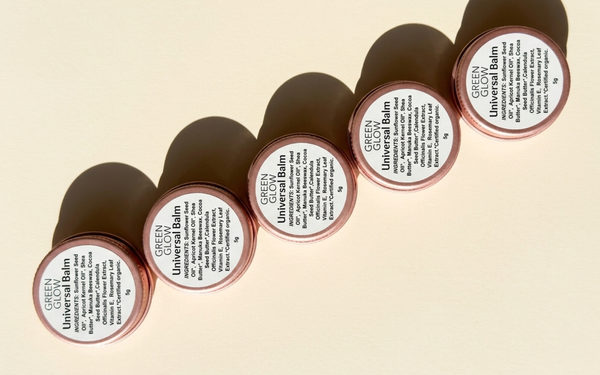
We're transparent about what goes into our products, and every ingredient has earned its place. Seed Glow Face Oil has 16 ingredients, chosen specifically to help nourish dry, sensitive skin. Universal Balm has 8 and is built on certified organic, unrefined oils and butters. It also contains calendula, a botanical long used in skincare to soothe and comfort sensitive skin. You can read about each one in our Ingredient Directory.
The Takeaway
The idea of completely chemical-free skincare is a misconception, rooted in the belief that "natural" automatically means chemical-free. All matter, including natural ingredients, is made of chemicals. Rather than fixating on a label, choose products with transparent ingredient lists that prioritise naturally derived and botanical components. Making informed choices lets you embrace a natural routine that aligns with your values and supports healthy skin.
Built on the ideas in this post.
Ingredient transparency, handmade in Melbourne. The same care that goes into how we write goes into how we formulate.
Shop Seed Glow Face Oil →
Kapha season
Waterless, and what that choice costs
Abhyanga: what oiling your own skin actually does
Join the community
Slow beauty, in your inbox
Ritual guides, ingredient stories and 15% off your first order, for those who believe the best skincare comes from nature.
We respect your privacy. Unsubscribe at any time.

Let nature show its magic to you. Naturally derived skincare rooted in Ayurveda, handmade in small batches in Melbourne for sensitive, dry and ageing skin.